
GURU HUNDAL FREIGHTLINES
How Do Refrigerated Trucks Work?
If you’ve ever wondered how fresh produce, frozen foods, medicines, or temperature-sensitive items stay perfectly intact while travelling long distances, the answer lies in refrigerated trucks. These vehicles are designed to maintain controlled temperatures during transport, allowing products to move safely across suburbs, states, and even across Australia. In this blog, we’ll break down how truck refrigeration systems work, what makes these vehicles different from standard freight hauliers, and why they’re essential for industries like food, pharmaceuticals, and retail.
What Is a Refrigerated Truck?
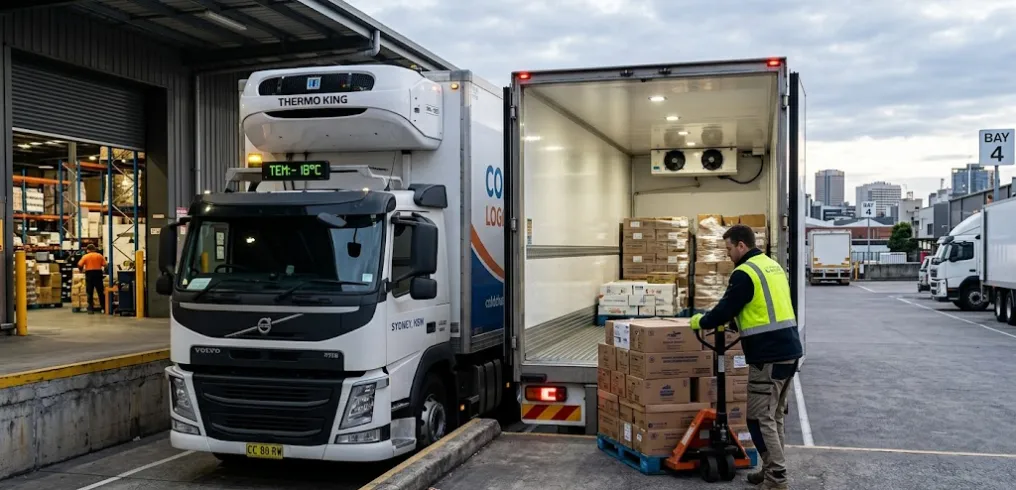
A refrigerated truck (sometimes called a reefer truck or refrigerated box truck) is a vehicle fitted with a refrigeration system to keep the cargo area at a specific temperature. Instead of simply acting as a cold storage box, it cools actively, regulates and maintains a set temperature level throughout the journey. These trucks are commonly used for refrigerated transport across cities and for longer hauls like interstate moving truck services.
Key Components of a Refrigerated Truck
A refrigerated box truck is more than just a vehicle with cooling equipment. Each part is designed to protect the cargo from outside temperature changes and ensure consistent cooling throughout the journey. To understand how these trucks maintain a controlled environment, looking at the key components that work together behind the scenes is key.
Here’s what these trucks generally have:
Think of these vehicles as large, mobile freezers or refrigerators that are engineered to withstand outside weather changes, long travel times, and different product temperature requirements.
Refrigerated Containers for Larger Loads
When shipping larger volumes, businesses often use refrigerated containers. These are large, insulated shipping containers with built-in refrigeration systems. They’re suitable for sea freight, rail transport, and long-haul road operations. Unlike smaller refrigerated trucks, containers can carry significantly more product at one go.
Why Are Refrigerated Trucks Important?
The self-contained truck refrigeration system pulls heat out of the cargo space and releases it outside. The system keeps the temperature stable during transport, based on the settings chosen by the driver. This allows for the safe transportation of temperature-sensitive goods over very long distances. Some common items carried this way include:
- Fresh fruits and vegetables
- Dairy products
- Meat and seafood
- Frozen goods
- Medicines and vaccines
Thanks to refrigerated trucks and containers, such products reach their destinations fresh, safe, and compliant with health and industry regulations. Without reefer trucks, the supply chain for food, medical products and more simply wouldn’t function efficiently.
Choosing a Reliable Refrigerated Truck Service
Selecting the right service provider ensures your goods stay fresh, safe, and compliant during the journey. When selecting a refrigerated truck service, consider:
- Temperature range capabilities (chilled, frozen, deep freeze)
- Tracking and monitoring options
- Delivery timelines, especially for interstate moving truck jobs
- Experience handling your specific type of goods
A good provider will maintain consistent communication, provide real-time updates, and handle your products with care.
Reliable Refrigerated Transport for Your Sensitive Goods
Refrigerated trucks play a crucial role in delivering temperature-sensitive goods safely. Whether you’re shipping fresh produce between states, moving pharmaceuticals, or managing a distribution supply chain, reliable refrigerated transport keeps your goods protected from spoilage and temperature damage. So, if you’re looking for dependable and professional refrigerated freight solutions, Guru Hundal Freightlines provides secure and efficient refrigerated truck services across Australia. We ensure precise climate control, smooth logistics coordination, and timely deliveries every step of the way.
To get a quote for refrigerated transport today, call us on 1300 001 363. Alternatively, send us an email at operations@guruhundal.com.au to discuss your refrigerated transport needs today.